
User-centered design (UCD) is a pivotal framework that prioritizes the needs and behaviors of users during product development. This approach focuses on creating products that are intuitive and easy to use, significantly enhancing user experience. In this article, we will explore the principles, processes, and benefits of adopting a user-centered design methodology.
The Foundations of User-Centered Design
User-centered design (UCD) is a design philosophy and a process whereby the needs, wants, and limitations of end users are given extensive attention throughout the design and development of products. UCD emerged in response to traditional design methodologies that often prioritized technical specifications or aesthetic considerations over the actual users of the product. The roots of UCD trace back to the mid-20th century, with its principles gaining prominence through the work of cognitive scientists, ergonomists, and designers who sought to create more intuitive, user-friendly products.
The discipline was significantly influenced by Don Norman, a pivotal figure in UCD. His seminal book, “The Design of Everyday Things,” published in 1988, laid groundwork for understanding how products should be designed with a focus on the user’s experience. Norman emphasized the importance of observing real-world user interactions with design; he argued that understanding user behavior was crucial for creating effective and usable products.
Key principles of UCD include a commitment to user involvement at every stage of the design process, iterative design, and a focus on usability and functionality. This contrasts sharply with traditional design approaches which often rely on assumptions or expert opinions to guide the design process. By placing users at the core of development, UCD aims to minimize the gap between the user’s needs and the product’s functions, resulting in improved satisfaction and usability.
Ultimately, UCD is about fostering a deeper understanding of who the users are and how they interact with the product, ensuring the final design is both effective and meaningful in enhancing their experiences.
The UCD Process: Steps and Methods
The user-centered design (UCD) process is a structured approach that emphasizes understanding user needs at every stage of product development. It generally consists of several key stages: research, design, prototyping, and testing. Each stage utilizes specific investigative and generative methods tailored to refine user requirements.
In the research phase, ethnographic studies serve as a vital tool. By immersing designers in users’ environments, they can observe and understand real-life behaviors, challenges, and contexts. This method reveals insights that surveys or interviews might miss, providing a holistic view of user needs.
Once insights are gathered, the design phase incorporates generative methods such as card sorting. This technique allows users to organize content or features according to their priorities, helping to define the information architecture of the product. Participatory design further involves users in the brainstorming process, fostering creative collaboration that ensures the design aligns closely with users’ expectations and workflows.
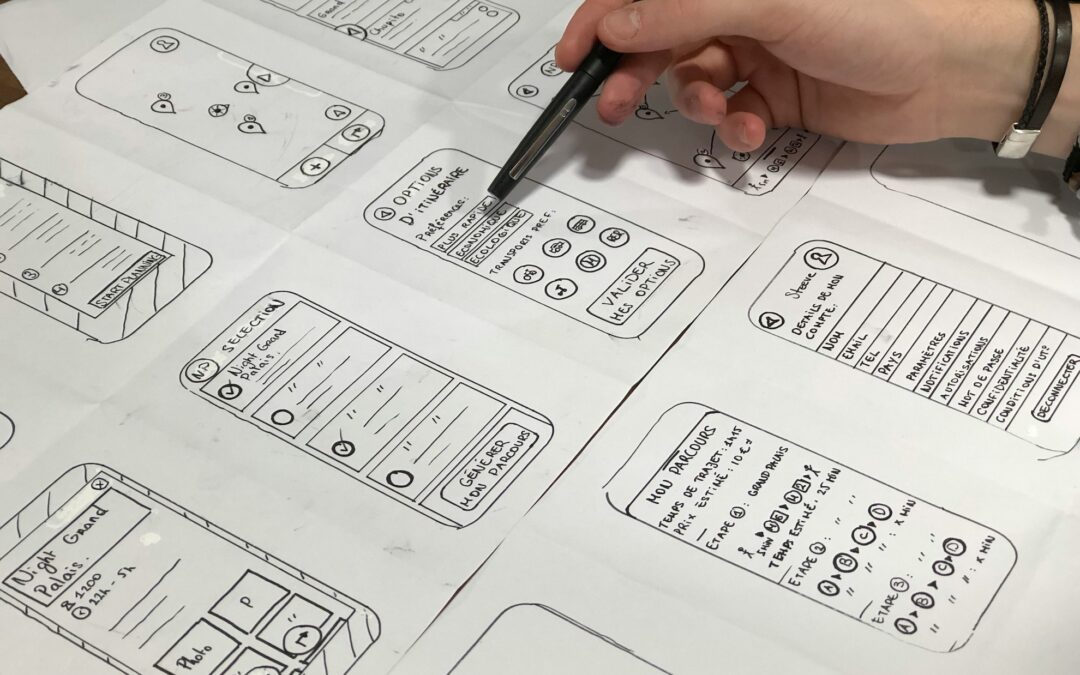
Prototyping follows, where low-fidelity models like wireframes are crafted based on insights from the earlier stages. These prototypes are not just quick iterations; they become tangible representations of user ideas, making it easier for stakeholders to visualize and provide feedback.
Usability testing is an essential step prior to finalizing the design. In this phase, real users interact with the prototypes, allowing designers to gather critical feedback. Observing users’ interactions helps identify pain points or usability issues, which can be addressed before launch.
By integrating these investigative and generative methods throughout the UCD process, designers can ensure the final product not only meets but exceeds users’ needs, significantly enhancing usability and user satisfaction.
Implementing User-Centered Design in Practice
User-centered design (UCD) has proven its value across various industries by involving users in every stage of product development. Companies that prioritize user input not only create more effective products but also foster greater user engagement. Real-world applications of UCD highlight its transformative impact, as illustrated in several case studies.
In the technology sector, a prominent example is the redesign of the user interface for a leading software application. By conducting extensive user interviews and usability testing, the designers identified pain points that led to confusion and frustration among users. With this actionable feedback, the team implemented a more intuitive navigation structure and streamlined workflows. The result was a 50% increase in user satisfaction, demonstrating how involving users can lead to significant enhancements in usability and engagement.
Healthcare is another sector where UCD has made a substantial difference. A medical device manufacturer employed participatory design sessions with healthcare professionals to develop a new monitoring device. By observing users in their natural environment and gathering their insights, the design team tailored features that aligned with real-world use. This collaboration resulted in a device that not only improved patient monitoring but also received positive feedback from the healthcare community for its ease of use.
Organizations looking to integrate UCD methodologies should create a culture that values user input. This can be accomplished through regular workshops, feedback loops, and iterative design cycles that encourage users to share their experiences and preferences. By embedding UCD principles throughout the development process, organizations can anticipate user needs and create products that resonate deeply with their target audience. Thus, ongoing user involvement becomes a cornerstone in building products that not only meet but exceed user expectations.
The Future of User-Centered Design
As user-centered design (UCD) continues to evolve, its integration with emerging technologies and shifting social paradigms presents exciting avenues for enhancing user experiences. One of the most significant trends influencing the future of UCD is the rise of artificial intelligence (AI) and machine learning. These technologies enable designers to analyze vast amounts of user data quickly, uncovering patterns and insights that inform design decisions. Leveraging AI can automate user feedback processing, allowing for rapid iterations that mirror real user preferences more closely than ever before, thereby enhancing usability in a data-driven manner.
Concurrently, there is a growing emphasis on accessibility within UCD. As awareness of diverse user needs increases, designs are now expected to accommodate various disabilities, ensuring inclusivity. This shift not only conforms to legal requirements but also taps into a wider audience, enriching the user base. Accessibility-focused methodologies are not merely an add-on but are increasingly becoming fundamental to the design process, showcasing empathy and understanding of users’ lived experiences.
Moreover, the advent of remote collaboration tools is reshaping UCD practices. As teams become more distributed, tools like Miro and Figma facilitate real-time collaboration, enabling diverse teams to engage in continuous user feedback loops regardless of geographic boundaries. This evolution supports iterative design efforts and allows for broader participation in the design process, including input from users who may have previously been marginalized in traditional design environments.
These developments collectively promise a future where product design is more responsive, inclusive, and efficient, creating richer, more relevant user experiences that resonate with a diverse audience. Ultimately, the intersection of technology and UCD will undeniably redefine how designers conceptualize and actualize user interactions.